
Polynucleotides have rapidly become one of the most sought-after regenerative treatments in aesthetic treatments, particularly for addressing under eye skin concerns. With their ability to stimulate cellular repair, boost collagen production, and improve skin hydration from within, it is no surprise that polynucleotides under eye treatment have gained significant attention from both practitioners and patients seeking natural-looking rejuvenation.
However, as with any injectable treatment, there are important considerations regarding the benefits, but also potential side effects and what can happen when polynucleotide treatments do not go as planned.
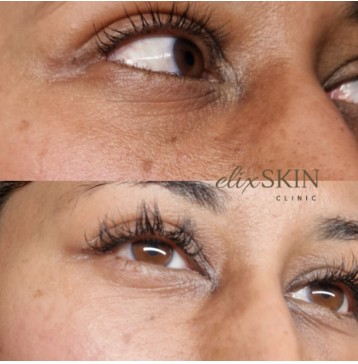
Understanding Polynucleotides and How it Works
Polynucleotides are purified DNA fragments derived primarily from salmon or trout reproductive cells. These biocompatible molecules consist of chains of nucleotides—the fundamental building blocks of DNA and RNA—with a high molecular weight of up to 800 kDa. When injected into the skin, polynucleotides initiate a cascade of regenerative processes that distinguish them from traditional dermal fillers.
The mechanism of action centres on their ability to stimulate fibroblast activity within the dermis. Fibroblasts are the cells responsible for producing collagen, elastin, and components of the extracellular matrix that give skin its structure and elasticity. Clinical research published in the Journal of Plastic Dermatology has demonstrated that polynucleotide treatments promote significant improvements in skin elasticity, hydration levels, and overall tissue quality.
Unlike hyaluronic acid fillers, which work by physically adding volume to treated areas, polynucleotides function as biostimulators. They trigger the body’s natural repair mechanisms to regenerate tissue from within. This regenerative approach offers several advantages for the under-eye area, where adding volume with traditional fillers can sometimes create unwanted puffiness or an unnatural appearance.
The skin beneath the eyes is exceptionally thin—approximately 0.5mm compared to 2mm elsewhere on the face—making it more susceptible to showing signs of ageing such as fine lines, dark circles, and crepiness. Polynucleotides can address these concerns by improving skin quality at a cellular level rather than masking them with volumising agents.
Is Polynucleotide Good for Under Eyes?
Polynucleotides are particularly well-suited for treating the under-eye area because they address multiple concerns simultaneously. The treatment can help with reducing the appearance of fine lines and wrinkles through enhanced collagen and elastin production, improving dark circles by promoting better microcirculation and tissue oxygenation, diminishing puffiness through anti-inflammatory properties, enhancing skin hydration for a plumper, healthier appearance, and improving overall skin texture and tone.
Clinical observations consistently report that patients experience a refreshed, more youthful appearance without the dramatic changes sometimes associated with volumising fillers. The regenerative nature of the treatment means results develop gradually and appear entirely natural.
Polynucleotides Under Eye Treatment Side Effects: What to Expect
As with any injectable procedure, polynucleotide treatments carry potential side effects. Understanding these side effects—both common and rare—is crucial for informed decision-making.
Common Side Effects
The most frequently observed polynucleotides under eyes side effects are mild and temporary. Swelling is the most common response, as the skin adapts to the injection and the regenerative effects begin. This typically peaks between 24-72 hours post-treatment. Bruising may occur, particularly in patients who bruise easily or have not followed pre-treatment guidance regarding blood-thinning medications. Redness at injection sites is a natural inflammatory response that generally resolves within a few hours to one day. Tenderness or mild discomfort at injection points usually subsides within 24-48 hours. Small temporary bumps or nodules may form at injection sites where the product has been deposited—these are expected and typically resolve as the polynucleotides integrate into surrounding tissue.
These common side effects should resolve within 3-7 days for most patients. The recovery period is generally shorter than that associated with traditional dermal fillers, making polynucleotides an attractive option for those seeking minimal downtime.
Less Common Side Effects
While rare, some patients may experience prolonged swelling lasting beyond one week, asymmetry during the healing process, itching at injection sites (often a sign the body is responding to treatment), or temporary worsening of dark circles during the initial inflammatory phase.
Rare Complications
Serious complications with polynucleotide treatments are uncommon when performed by qualified, experienced practitioners. However, potential rare adverse events include hypersensitivity or allergic reactions (particularly relevant for those with fish allergies, as polynucleotides are derived from salmon or trout DNA), infection if sterile technique is not maintained, granuloma formation as an immune response, and vascular compromise if product is inadvertently injected into a blood vessel.
How Long Do Polynucleotides Last Under Eyes?
The longevity of polynucleotide results varies between individuals but generally follows a predictable pattern.
Expected Duration
Following a complete treatment course (typically two to four sessions spaced two to four weeks apart), results from polynucleotides under eyes typically last between six and twelve months. Research published in Dermatologic Therapy confirms that patients receiving multiple treatment sessions achieve significantly better and longer-lasting improvements in skin elasticity and hydration compared to single-session protocols.
Several factors influence how long results persist. Age plays a role, as younger patients with better baseline skin quality often see longer-lasting results. Lifestyle factors such as smoking, excessive alcohol consumption, poor sleep, and high stress can accelerate the breakdown of collagen and shorten result duration. Sun exposure and UV damage compromise skin health and can reduce treatment longevity. Skincare routine matters because consistent use of quality skincare products, particularly those containing retinoids and antioxidants, can help maintain results. The number of treatment sessions affects outcomes, as completing the full recommended course of treatments provides more durable results than a single session.
Maintenance Recommendations
To sustain optimal results, most practitioners recommend maintenance sessions every six to twelve months, depending on individual factors and treatment response. Some patients may benefit from more frequent top-ups initially, transitioning to annual maintenance once optimal results are achieved.
Is One Session of Polynucleotides Enough?
This is one of the most frequently asked questions regarding polynucleotide treatment, and the short answer is: usually not.
Why Multiple Sessions Are Necessary
Polynucleotides work through biostimulation rather than immediate volumisation. Each treatment session provides a cumulative boost to fibroblast activity and extracellular matrix repair. Whilst a single session can improve hydration and provide some initial benefits, the full regenerative effects require repeated stimulation over time.
Clinical evidence consistently supports a multi-session approach. Standard protocols typically recommend three to four sessions spaced two to four weeks apart for optimal results. A 2020 study evaluating injectable polynucleotides for periorbital rejuvenation confirmed that patients receiving three sessions achieved significantly higher improvements compared to single-session protocols.
What One Session Can Achieve
A single polynucleotide treatment session can provide immediate improvement in skin hydration, initial brightening of the under-eye area, subtle smoothing of very fine lines, and a foundation for subsequent treatments.
However, for meaningful, lasting improvement in skin elasticity, texture, and the appearance of dark circles and fine lines, a complete treatment course is necessary. Patients should be counselled accordingly during consultation to set realistic expectations.
Treatment Protocol
The typical treatment journey involves an initial consultation and first treatment session, followed by a second session two to four weeks later. A third session follows two to four weeks after the second, with an optional fourth session if required. Maintenance sessions are then scheduled every six to twelve months.
Contraindications and Patient Selection
Not everyone is a suitable candidate for polynucleotide treatment. Proper patient selection is crucial for safe, successful outcomes.
Absolute Contraindications
Treatment should not proceed for patients with known allergy to fish or fish-derived products, active infection or inflammation at the treatment site, pregnancy or breastfeeding, or autoimmune conditions affecting the skin.
Relative Contraindications
Caution is warranted for patients with a history of keloid scarring or abnormal wound healing, active skin conditions such as eczema or psoriasis in the treatment area, blood clotting disorders or anticoagulant medication, or recent cosmetic treatments to the same area.
Ideal Candidates
Polynucleotides are particularly well-suited for patients with early to moderate signs of periorbital ageing such as fine lines, mild skin laxity, and dark circles. Those who are concerned about traditional filler risks or have experienced issues with HA fillers in the past, patients seeking natural, gradual improvement rather than dramatic change, individuals with realistic expectations who understand the need for multiple sessions, and those committed to following pre and post-treatment instructions often achieve excellent results.
At elixSKIN Clinic , we specialise in a range of skin treatments designed to treat a number of skin concerns, from relaxation and a nice glow to Hyperpigmentation, Under Eye Dark Circles, Ageing Skin and Post Acne Scarring.
Have a look at our treatments and before and after images on Instagram.
Have a look at our treatments and additional Blogs, to Book your next treatment visit us here.
Visit our website or get in touch to find out more about suitable treatment for you.